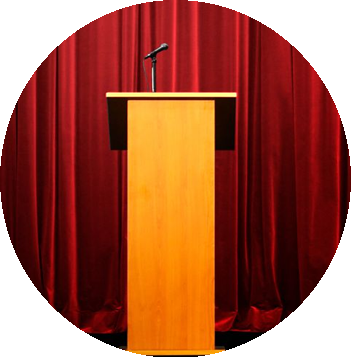
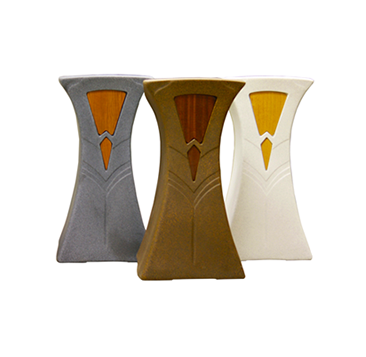
Podiums Designed for Museum Environments
Museums use podiums in public-facing, design-sensitive environments where communication must be clear without
distracting from exhibits or architecture. From curator talks and educational programs to donor events and press
announcements, podiums must blend seamlessly into the space while remaining durable, accessible, and easy to
reposition.
SoapBoxx podium systems are designed for real museum conditions—shared galleries, rotating exhibits, frequent
events, accessibility requirements, and long service life. Modular podium designs allow museums to adapt to new
programming and exhibitions without introducing visual clutter or replacing equipment.
Common Museum Podium & Lectern Use Cases
Museum podium usage spans education, public programming, operations, and special events across art, history,
science, and cultural institutions.
Public Programs & Educational Events
- Curator talks and gallery lectures
- Exhibit walkthroughs and guided presentations
- Educational workshops and learning programs
- Guest speaker events and panel discussions
- School and group tour briefings
Exhibit & Gallery Use
- Temporary exhibit introductions
- Artist talks and exhibition openings
- Interactive exhibit explanations
- Multimedia or interpretive presentations
Community & Cultural Engagement
- Public lectures and cultural programs
- Community forums and outreach events
- Nonprofit and partner presentations
- Donor and member-only events
Youth & Academic Programming
- Student education programs
- Science and history demonstrations
- Youth workshops and camps
- Academic lectures and symposiums
Press, Media & Institutional Communication
- Museum press conferences
- Exhibit announcements and openings
- Media tours and interviews
- Institutional updates and statements
Museum Operations & Administration
- Staff training and professional development
- Volunteer orientations
- Internal meetings and briefings
- Board and committee presentations
Welcome, Wayfinding & Information Use
- Lobby welcome stands
- Event registration and check-in points
- Temporary information desks
- Visitor orientation areas
Outdoor & Special Museum Events
- Outdoor lectures and demonstrations
- Museum-hosted festivals and fairs
- Sculpture garden talks
- Courtyard and plaza events
This wide range of use cases makes flexible, visually subtle podium systems ideal for museum environments.
Best Podium Series for Museum Use Cases
Museums require podiums that support visibility and audio while respecting exhibit design and visitor flow. Below is
a practical breakdown to help museums select the right podium series.
Galleries & Exhibit Spaces
Spaces benefit from podiums that are compact and unobtrusive.
Best fit: Tabletop Podium, DaVinci Podium
Why: Minimal footprint and clean, modern design
Lecture Halls & Presentation Rooms
Larger events require podiums that support audio and visibility.
Best fit: Classic Podium
Why: Stability and microphone compatibility
Community Programs & Multi-Use Areas
Flexible spaces benefit from mobile podiums that can be moved quickly.
Best fit: Traveler Podium, Tabletop Podium
Why: Portability and easy storage
Welcome Areas & Information Stands
High-traffic areas require podiums that function as information points.
Best fit: Tabletop Podium, DaVinci Podium
Why: Compact and approachable
Outdoor Museum Events
Outdoor settings require podiums that deploy quickly and transport easily.
Best fit: Traveler Podium
Why: Lightweight and mobile
At-a-Glance: Museum Use Case to Podium Series
| Museum Use Case |
Recommended Series |
Primary Benefit |
| Galleries |
Tabletop, DaVinci |
Subtle design |
| Lectures |
Classic |
Audio support |
| Community Events |
Traveler, Tabletop |
Flexibility |
| Welcome Areas |
Tabletop, DaVinci |
Compact |
| Outdoor Events |
Traveler |
Mobility |
Audio, Microphone, and AV Considerations for Museums
Museums balance accessibility with the need to preserve a quiet, contemplative atmosphere. Audio planning helps
ensure clarity without disrupting exhibits.
Small Galleries & Quiet Spaces
- Microphone often optional
- Gooseneck microphone useful for accessibility or recording
- External speakers typically unnecessary
Medium Presentation Rooms
- Gooseneck microphone recommended
- Built-in speaker often sufficient
- Supports clear communication for seated audiences
Large Lecture Spaces
- Gooseneck microphone required
- External PA system used when needed
- Audio levels carefully controlled
Outdoor Museum Events
- Microphone and external speaker recommended
- Audio clarity important in open environments
Audio Planning Summary
| Environment |
Microphone |
Speaker |
Notes |
| Gallery |
Optional |
No |
Quiet settings |
| Presentation Room |
Yes |
Built-in |
Accessibility |
| Lecture Hall |
Yes |
External |
Larger audiences |
| Outdoor Events |
Yes |
External |
Ambient noise |
Custom Podium Branding for Museums
Customization allows museums to communicate clearly while preserving exhibit integrity and visual design. Modular
podium systems allow temporary or permanent branding without introducing distractions.
Common museum customization scenarios include:
- Museum name or logo on podium fronts
- Exhibit-specific branding and messaging
- Event signage for talks and openings
- Educational program identification
- Neutral inserts for shared public spaces
Interchangeable inserts allow museums to update messaging as exhibits change while maintaining a consistent
institutional look.
How Many Podiums Does a Museum Typically Need?
Podium quantity planning depends on museum size, number of galleries, and frequency of programs.
Quantity Planning Overview
| Museum Type |
Typical Quantity |
Notes |
| Small Museum |
1–2 |
Shared program spaces |
| Mid-Size Museum |
2–4 |
Lectures + events |
| Large Museum |
4–8+ |
Multiple galleries |
| Event-Heavy Museum |
Per venue + spares |
Simultaneous programs |
Additional planning considerations:
- Number of galleries and lecture spaces
- Frequency of rotating exhibits
- Outdoor and seasonal programming
- Storage and staff setup needs
Why Modular Podium Systems Work Better for Museums
Museums evolve constantly—new exhibits, new programs, new audiences. Modular podium systems allow institutions to
adapt without unnecessary replacement costs.
Key benefits include:
- Lower total cost of ownership
- Clean, unobtrusive design
- Adaptability to AV needs
- Consistent appearance across exhibits
- Long service life under public use
Choosing the Right Podium for Your Museum
Whether you’re supporting a single gallery talk or managing multiple public programs across an entire institution,
selecting the right podium system requires balancing visibility, accessibility, audio needs, and visual sensitivity.
SoapBoxx podium systems are built to meet the demands of museum environments while remaining flexible enough to
support evolving exhibits and public engagement.